
The Anatomy of a Branded Marketing Vehicle From Concept to Custom Wrap
June 29, 2026
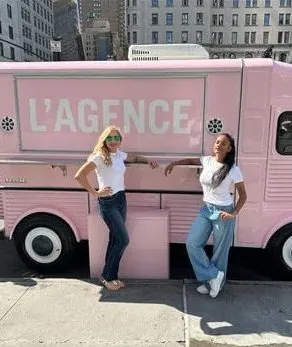
A branded marketing vehicle is planned in layers. The process starts with the campaign goal, then moves into vehicle selection, audience flow, design, wrap production, interior or exterior build needs, logistics, staffing needs, and activation readiness. The custom wrap is one visible piece of the project, but the strongest campaigns treat the vehicle as a mobile brand environment that must look good, operate smoothly, and support real interactions.
For brands activating in New York City, the vehicle must make an impression quickly because people often see it in motion or in crowded settings. For nationwide campaigns, the same vehicle may need to perform across varied venues, routes, weather, and audience expectations. A clear plan helps the final wrap serve the campaign rather than simply decorating a truck, van, trailer, or other mobile format.
Start with the campaign purpose
Before any design begins, define what the vehicle needs to accomplish. A sampling campaign, product launch, recruiting event, retail promotion, and awareness tour all require different layouts and visitor experiences.
Useful planning questions include:
- What should people notice first?
- What action should they take after seeing the vehicle?
- Will the campaign rely on walk-up engagement, scheduled stops, or both?
- Does the vehicle need storage, display space, seating, screens, serving areas, or staff zones?
- What information will the team need to capture after each activation?
These answers shape the design brief. They also help avoid a common problem: a vehicle that looks exciting but does not support the actual work happening on site.
Choose the right vehicle format
The vehicle should match the campaign, not the other way around. A compact format may be useful when access and mobility matter. A larger platform may be better when the experience needs room for demonstrations, displays, or guest flow.
In dense markets like NYC, planners often think carefully about visibility from different angles, setup time, and how staff will manage public interaction. In a nationwide campaign, the conversation may also include travel distance, storage needs, durability, and the consistency with which the brand experience can be replicated from city to city.
Ask the planning team which vehicle types fit the campaign objective, what limitations each format imposes, and how the wrap area affects the visual hierarchy. That discussion can prevent expensive changes later.
Build the creative concept around movement
Designing for a vehicle is different from designing for a wall, booth, or web page. People may see the message while walking past, driving by, standing in line, or viewing social content from the activation. The best creative systems account for short viewing windows.
A strong vehicle design usually has three levels of communication. The first is instant recognition, such as the brand name, color, or core visual. The second is the campaign message, which should be short enough to understand quickly. The third is the action cue, such as visiting the setup, scanning a code, sampling a product, or following the tour online.
The wrap design should also account for doors, handles, windows, seams, wheel areas, curves, and equipment. These details affect where important text and faces can be placed. A design that looks clean on a flat proof may fail if key information lands across a door break or deep contour.
Translate the design into wrap production files
Once the creative direction is approved, the artwork must be prepared for large-format production. This step is technical and important. Designers need accurate vehicle measurements, panel planning, image resolution, color direction, bleed areas, and safe zones.
For a campaign in NYC, strong contrast and simple messaging can help the wrap compete in visually busy environments. For a national tour, consistency matters. Teams should ask how color will be checked, how replacement graphics would be handled if damage occurs, and what parts of the wrap may experience the most wear.
This is also the right time to confirm which surfaces will be wrapped, which will remain untouched, and whether any temporary or changeable graphics are needed for different markets.
Prepare the vehicle for activation
A wrapped vehicle is not ready until it has been reviewed for both appearance and function. The team should inspect seams, edges, alignment, readability, door operation, lighting visibility, and any elements tied to the visitor experience.
Operational planning should happen at the same time. Staff need to know how to open the vehicle, where materials are stored, how to welcome guests, and how to close the experience. If the activation includes samples, displays, technology, or event materials, the vehicle layout should support efficient setup and breakdown.
This is where Brand Wagon and the client can align on the practical details that make an activation feel polished. Good questions include who is responsible for daily checks, what should be photographed after setup, and what condition notes should be reported between stops.
Connect the wrap to the full campaign
The vehicle should not stand alone. It should connect with paid media, social content, field staff, landing pages, influencer visits, retail partners, or event schedules when those channels are part of the plan.
For NYC activations, that may mean making sure the message is easy to understand at street level and from a distance. For national programs, it may mean building a flexible system that remains consistent while allowing location-specific updates when appropriate.
A branded marketing vehicle works best when the concept, custom wrap, logistics, and activation planning are treated as a single system. When those parts are aligned, the vehicle becomes more than transportation. It becomes a flexible brand space that can move with the audience and support measurable engagement.
FAQ
How long does it take to create a branded marketing vehicle?
Timing depends on the vehicle format, design complexity, wrap production, build needs, approvals, and activation schedule. Ask Brand Wagon what timeline is realistic for your campaign scope before launch dates are confirmed.
What information is needed before designing a custom vehicle wrap?
The team should know the campaign goal, audience, vehicle type, brand assets, key message, required call to action, activation locations, and any equipment or staffing needs that affect the layout.
Can one branded vehicle work for both NYC and national campaigns?
Yes, but the plan should account for both dense local visibility and repeated use across markets. The design, materials, storage, staffing plan, and setup process should support each type of activation.
What makes a vehicle wrap effective for marketing?
An effective wrap is easy to read quickly, uses a strong visual hierarchy, places key information away from awkward vehicle seams, and clearly connects to the action you want people to take.
Should the vehicle’s interior be planned with the wrap in mind?
If guests, staff, samples, displays, or technology will use the interior, it should be planned early. Exterior graphics and interior function need to support the same experience.
Planning a branded marketing vehicle for NYC or a nationwide campaign?
Contact Brand Wagon to discuss the concept, vehicle format, wrap design, and activation plan that fit your goals.
